

Every time you blink, a thin film of tears spreads across the front of your eyes. That film needs the right balance of water and oil to stay put and keep your vision clear.
When something throws that balance off, your eyes can go from comfortable to irritated within a couple of days. Sudden dry eye usually starts with a change in your environment, habits, health, or medications that affects how well your tears coat your eyes.
Once you know the cause, you can choose the kind of relief that fits, whether that’s a humidifier by the bed or dry eye therapy at our office.
Common Signs of Dry Eye
Dry eye doesn’t always feel dry, so many people don’t recognize it at first. Here’s what you might notice when your tear film starts to break down:
- A gritty feeling, like something’s stuck under your eyelid
- Stinging or burning
- Redness
- Stringy mucus in or around your eyes
- Watery eyes
Watery eyes might sound like the opposite problem. When your eyes get irritated enough, they can flood with reflex tears that don’t have enough oil to stay on the surface, so they run down your cheeks. You may also notice blurriness while you read that clears for a moment after you blink.
How Weather and Indoor Air Can Dry Out Your Eyes
Cold wind pulls moisture from the surface of your eyes. Wisconsin winters make this worse, since a furnace running all night lowers the humidity inside your home, too.
Summer brings its own problems. Air conditioning dries out indoor air, and a car vent pointed at your face can leave your eyes stinging after a short drive. Angle those vents toward your chest or feet instead.
Smoke and dust can also irritate your eyes and make dryness harder to shake.
Screen Time and Contact Lens Habits That Dry Your Eyes
You blink less when you’re focused on a screen. Fewer blinks mean your tears spread less often and evaporate faster, which is a big part of digital eye strain.
Contact lenses sit on top of your tear film and can soak up moisture as the day goes on. If your eyes feel worse by evening, talk to us during your next contact lens exam about a different lens material or wearing schedule. And take your lenses out before bed unless they’re approved for overnight wear.
Keep a water bottle nearby on busy days, too. When you’re low on fluids, your eyes may feel it along with the rest of your body.
Health Conditions and Medications Linked to Dry Eye
Sometimes the cause has nothing to do with the weather or your screen. Hormone changes during pregnancy or menopause can affect how your eyes feel from week to week, and tear production often drops after age 50.
Conditions such as diabetes, thyroid disease, and autoimmune conditions like rheumatoid arthritis are also connected to dryness.
Check your medicine cabinet, too. Several common medications can raise your risk of dry eye:
- Antihistamines
- Some blood pressure medications
- Antidepressants
- Oral contraceptives
Did you start a new prescription around the time your eyes changed? Mention it to your optometrist, but keep taking it until you’ve talked with whoever prescribed it.
Clogged Oil Glands and Eyelid Buildup
Tiny glands along the edges of your eyelids release oil that keeps your tears from evaporating too quickly. When those glands get blocked, your eyes can feel dry even though you’re still making tears.
Makeup residue and flaky skin near your lashes can clog the openings. Clean your lid margins gently each day with a warm compress or lid wipe to help keep them clear.
What Else Can Be Mistaken for Dry Eye
Itchy, red, watery eyes in the spring or fall may point to seasonal allergies. A minor eye infection or eyelid inflammation can feel a lot like dryness, too. Each of these needs different care. An allergy drop won’t do much for blocked glands, and artificial tears won’t clear up an infection.
During an exam, your optometrist can check your tear film and eyelids directly. That way, you can stop cycling through drops that don’t match the problem.
Home Remedies for Dry Eye
For mild dryness, start with a few changes at home:
- Follow the 20-20-20 rule during screen work by looking at something 20 feet away for 20 seconds every 20 minutes.
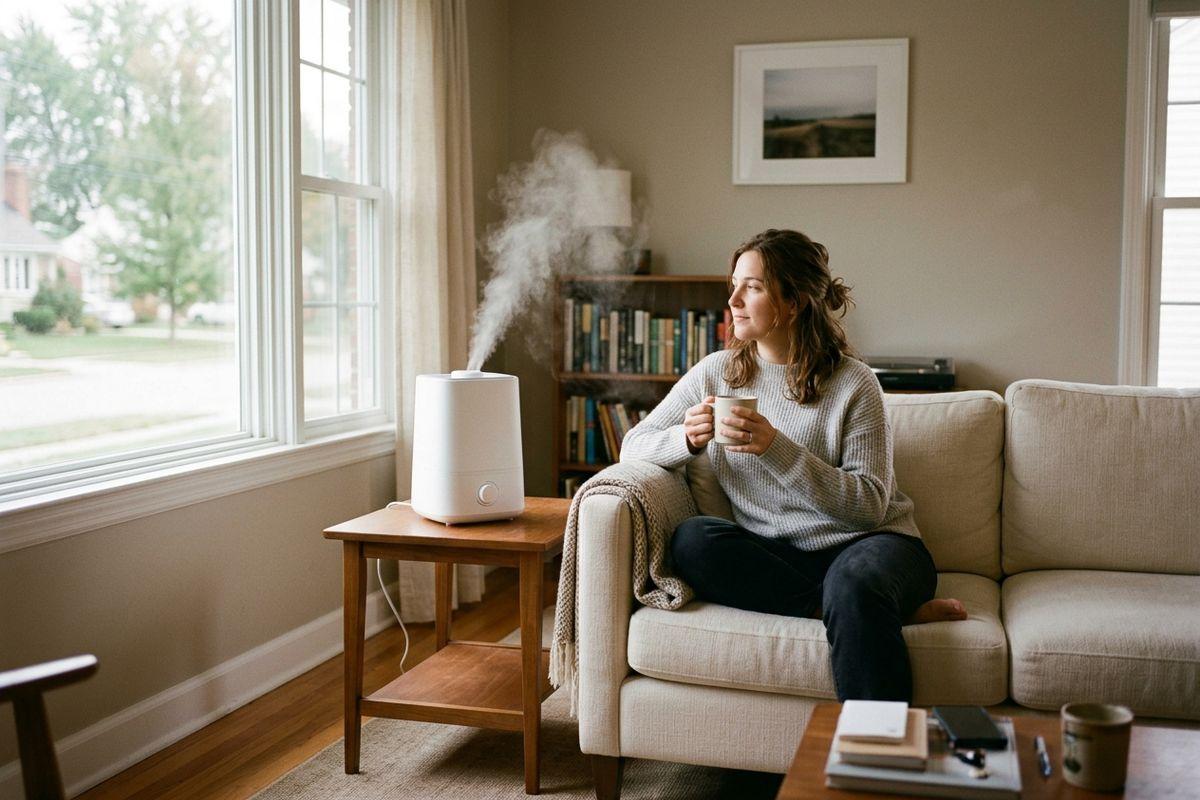
- Run a humidifier in your bedroom overnight.
- Wear wraparound sunglasses on windy days.
- Use preservative-free artificial tears when your eyes feel dry.
Dry Eye Treatment at Our Office
If home care isn’t helping, we’ll start by evaluating your tear film and eyelids. From there, we can build a plan that may include prescription drops, in-office treatment for blocked glands, or OptiLight intense pulsed light therapy, which can help calm inflammation along your eyelids.
Book a visit sooner if you notice any of these:
- Symptoms that came on fast or feel severe
- Drops that haven’t helped after 1 to 2 weeks
- Vision that stays blurry after you blink
- Eye pain or sensitivity to light
Find Out What’s Drying Out Your Eyes
Sudden dry eye doesn’t have to become part of your daily routine. At Advanced Eye Care & Aesthetics, our optometrists take the time to find the source of your symptoms and build a plan around the way you live and work.
Book your appointment today, and let’s get your eyes feeling comfortable again.